One of the interesting things about ableism is that whatever form it takes it occupies the future perfect. There will be time enough to make things right for the disabled but not today. One may fair say “not today” is the motto of the thing. “Non hodie” in Latin. Picture a flag bearing the image of an indolent house cat. Not today will we question our assumptions about discrimination. BTW: ableists also avoid saying “maybe tomorrow.”
If you’re disabled and you require reasonable accommodations you likely know all about this. Where I work I’ve been agitating, pleading, begging for accessible documents and websites for over a decade. “Non hodie” is the prevailing reply. What’s so demoralizing is that those who ought to be in the fight for disability inclusion are not interested. How can this be? Well, actually, the matter is simple: “there will be time enough to make things right, but not today.” That this “non hodie” includes administrators charged with accessibility and inclusion and faculty who teach disability related subjects tells you how big a muscle ableism really is. But there’s another issue…
Fighting disability discrimination makes you unpopular. One may say that fighting for the full inclusion of all historically marginalized folks does so too. But with disability there’s one more turn of the wrench: very few people want to serve as serious allies. There’s almost no up side to being a real disability activist. If you want to be liked, stay away.
It’s not easy in “non hodie” land. One morning, tired, feeling low, I wrote the following draft of a poem:
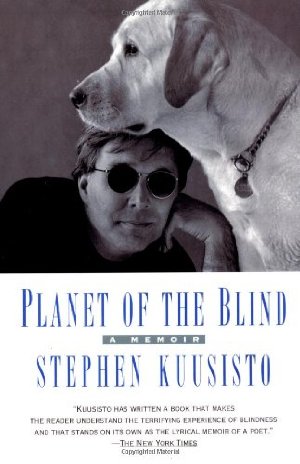
This morning talking to Stephen’s head…
“You’ve endured so much,
Bullying, lifelong ableism…”
The architectures of wantonness…
Walking alone one sees Raskolnikov’s room…
Confession: having lived in some bitterness,
I fear the cruelties of human indifference
More than
Anything in this world…
**
“Non hodie” harms actual disabled human beings. It’s not merely that the thing puts accommodations and full inclusion into a murky future—the disabled who need these accommodations are left hanging, and in order to make this palatable, the ableists employ gaslighting. “You’re asking for accommodations in the wrong tone of voice.” “This isn’t the venue for this.” (As if there was a venue.) It’s the old, “you’re a malcontent, you cripple you” defense. Never do such people say, “wow, we’re violating the law and injuring real human beings.”
Another aspect of the gaslighting business is of course to have a gaslighting committee—usually it has a name like “Inclusion and Access for One and All” and it meets privately because its all about “non hodie” and private self-congratulation. These committees never propose to fix the problems. They have cookies. They talk about inclusion. There’s just one thing. The folks on the committee don’t suffer from a lack of accommodations. In general they feel pretty good.
If you’re like me and you need accessible digital materials to teach and participate in the community and no one wants to fix this in real time—so that you’re “non hodied” half to death—you’re not included in the inclusion and access for one and all club. But you betcha they’ll gaslight you. You’re not fun to be around. And that’s the kicker. In the Neo-liberal university feeling good is the game.
Reader’s note: I first published this on my blog a couple of years ago. I’m in mind of this today because of the viral meme photo of Donald Trump who turned his back on a man experiencing medical distress. If Trump knew Latin he’d say “Non Hodie” for illness, disability, medial emergencies disrupt the “now” and if there’s anything Trump hopes always to occupy its the static present tense. For Trump both the past and the future are anathema. This position is not unfamiliar to disability rights activists. From turning his back on AIDS relief for Africans to his wholesale plans for dismantling American healthcare DT is all of a piece. But don’t kid yourselves…in all cases his disdain is about inconvenient bodies.

 Planet of the Blind