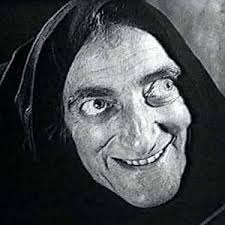
Disability falls between two divides—between the normal body and whatever that isn’t, and between practicality and archetype. Generally people ignore this quaternity because normality is easily deconstructed and practicality is a money making idea. (Accessible technology; racy wheelchairs; bionic prostheses; service animals—all utilitarian and reassuring.) The archetypes are liminal, pejorative and truly devastating. In my first memoir Planet of the Blind I described a cab driver who informed me that my blindness was most certainly a product of voo doo—he couldn’t be convinced otherwise. If you don’t believe archetypes play a role in the abjection of the disabled think again. But the quaternity has a more serious aspect: ableism depends on the normal and the archetypes being paired against practicality (prosthesis, rehabilitation, etc) and the very nature of physical difference. The cab driver really believed I couldn’t be part of the world. For him, the physical (deviant) trumps all rehab. Why? Because there are no normal archetypes.
Sometimes a cigar is just a cigar. But not if you’re disabled.

 Planet of the Blind